TOP 5 BEST OPENINGS FOR WHITE
1. QUEENS GAMBIT
If you're asking about the Queen's Gambit opening in chess, it's a well-known chess opening that begins with the moves:
1. d4 d5
2. c4
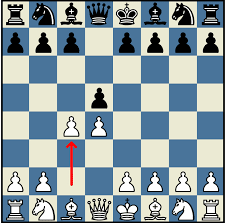
In this opening, White sacrifices a pawn (the "gambit") with the hope of gaining control of the center and creating attacking chances. The Queen's Gambit is one of the oldest and most respected openings in chess, and it can lead to a variety of different positions and pawn structures.
The Queen's Gambit is a classic chess opening that begins with the moves 1. d4 d5 2. c4. White offers a pawn to Black, aiming to control the center of the board and create attacking opportunities. It's a strategic and dynamic choice. If Black accepts the gambit by capturing the pawn on c4, White can gain a lead in development and aim for an aggressive game. If you're a chess enthusiast, it's a fascinating opening to explore!
2. VIENNA GAME
The Vienna Game is a chess opening that begins with the moves 1. e4 e5 2. Nc3. It's named after the famous chess tournament held in Vienna in 1873. The Vienna Game is a double-edged opening that can lead to a variety of pawn structures and game types.

Here are a few common lines in the Vienna Game:
1. Classical Variation (2...Nf6): Black challenges the center and prepares to castle kingside. White can continue with 3. Bc4 or 3. d3, among other options.🙏🍂🍂

2. Stanley Variation (2...Nc6): Black develops the knight to a natural square. White can continue with 3. Bc4 or 3. g3, among other moves.

3. Falkbeer Counter-Gambit (2...d5): Black immediately challenges White's central pawn. White can accept the gambit with 3. exd5 or decline it with 3. Nxd5.

The Vienna Game can transpose into other openings, and the positions can become tactical and dynamic. Like any opening, it's important to understand the ideas and plans associated with it to play it effectively.
3. ITALIAN GAME
The Italian Game is a classical chess opening that arises after the following moves:
1. e4 e5
2. Nf3 Nc6
3. Bc4

This opening is named after the Italians who first played it in the 16th century. The Italian Game is known for its open positions and rich strategic possibilities. White aims to control the center, develop pieces harmoniously, and prepare for an eventual assault on the f7-square.
Some common variations of the Italian Game include:
1. Italian Gambit (3...Bc5 4. c3 Nf6 5. d4 exd4 6. cxd4): This line involves White sacrificing a pawn for quick development and attacking chances.

2. Giuoco Pianissimo (3...Bc5 4. c3 Nf6 5. d3): This is a slower and more positional approach, avoiding sharp tactics early on.

3. Two Knights Defense (3...Nf6): Black immediately challenges White's center, leading to complex positions.

4. Evans Gambit (4. b4): White sacrifices a pawn to open up lines and create attacking chances.

The Italian Game can lead to a wide variety of positions, and players often transpose into other openings based on their preferences and styles. Understanding the key plans and ideas associated with the Italian Game is crucial for both sides to navigate the complexities of the ensuing positions.
4. LONDON OPENING
The London System, often referred to as the London Opening, is a chess opening that is characterized by the following moves:
1. d4 d5
2. Nf3

In the London System, White aims for a solid and flexible pawn structure, typically placing the pawns on d4 and e3, and the knights on f3 and d2. The main idea is to control the center, develop the pieces harmoniously, and create a sturdy pawn structure.
Key moves in the London System include:
- 3. Bf4: Developing the bishop to a good square and preparing to castle kingside.
- 4. e3: Strengthening the center and preparing to develop the other bishop.
- Bd3, Nbd2, and 0-0: Continuing with solid and harmonious development.
The London System is known for its simplicity and can be a good choice for players who want to avoid heavily theoretical lines. It has been popularized by many strong players, including Grandmasters such as Vladimir Kramnik and Anish Giri.
However, despite its reputation for being solid and easy to play, opponents can still find ways to counter it. It's essential for players of the London System to understand the plans and ideas associated with the opening and be prepared for various responses from their opponents.
5. RETI OPENING
The Reti Opening is a hypermodern chess opening that begins with the following moves:
1. Nf3

The Reti Opening is named after the Czech Grandmaster Richard Reti, who was a prominent chess player and chess author in the early 20th century. The key idea behind the Reti is to allow for a flexible pawn structure, delaying the occupation of the center with pawns and instead aiming to control it with pieces.
The Reti can lead to a variety of different pawn structures and transpositions into other openings. Some common variations and move sequences include:
1. 1...d5: Transposing into a Double Queen's Pawn Opening after 2. c4 or leading to different setups.

2. 1...Nf6: Preparing for a hypermodern defense. After 2. c4, it might transpose into various lines like the King's Indian Defense, the Grünfeld Defense, or others.

3. 1...c5: Transposing into a Reversed Sicilian or leading to other asymmetrical pawn structures.

The Reti Opening is known for its flexibility and the potential for transpositions into different openings, making it suitable for players who want to avoid more mainstream lines or dictate the nature of the game based on their opponent's responses. Understanding the typical plans and ideas associated with the Reti can help players navigate the positions that arise from this opening.

Comments
Post a Comment