TOP 5 BEST GAMBITS FOR WHITE
TOP 5 BEST GAMBITS FOR WHITE
1. EVANS GAMBIT
The Evans Gambit is a chess opening that arises after the following moves:
1. e4 e5
2. Nf3 Nc6
3. Bc4 Bc5
4. b4
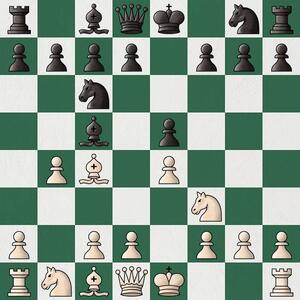
In this position, White sacrifices the b4 pawn to gain a lead in development and create open lines for attacking play. The idea is to challenge Black's central control and quickly mobilize the pieces.
After 4. b4, Black has several options, but one common response is to accept the gambit with 4...Bxb4. The game might continue with 5. c3 Ba5, and White can play 6. d4 or 6. O-O, aiming to open up the center and put pressure on Black's position.
The Evans Gambit has a long history and has been played by many strong players, including some of the world champions. It can lead to sharp and tactical positions, making it an interesting choice for players who enjoy dynamic and aggressive play.
Keep in mind that while the Evans Gambit can catch opponents off guard and lead to exciting positions, it's important to be familiar with the resulting positions and plans to make the most of the initiative gained from the pawn sacrifice.
2. SCOTCH GAMBIT
The Scotch Gambit is another aggressive and tactical chess opening that arises after the following moves:
1. e4 e5
2. Nf3 Nc6
3. d4 exd4
4. Bc4

In this position, White sacrifices a pawn with 4. Bc4 to gain rapid development and open lines for attacking the black king. Black can accept the gambit with 4...Nf6, leading to sharp and tactical positions.
One of the main lines after 4...Nf6 is 5. e5, where White continues to put pressure on the center and aims to exploit Black's somewhat exposed position. Black has several ways to respond, and the resulting positions can lead to complex and dynamic struggles.
The Scotch Gambit is known for its aggressive nature and can catch opponents off guard if they are not well-prepared. As with any gambit, it's crucial for players to understand the resulting positions and tactics to make the most of the initiative gained from the pawn sacrifice.
Like many gambits, the Scotch Gambit may not be seen as frequently at the highest levels of chess, but it can be a fun and effective weapon at the club and amateur levels. As with any chess opening, studying the typical plans and ideas associated with the Scotch Gambit can help you navigate the resulting positions successfully.
3. KINGS GAMBIT
The King's Gambit is a classical chess opening that starts with the following moves:
1. e4 e5
2. f4

With the move 2. f4, White offers a pawn to undermine Black's central pawn structure and create an open position for rapid development and attacking chances. The King's Gambit has a long history and was very popular in the 19th century, with many famous games played by great chess players of that era.
Black can accept the gambit with 2...exf4, taking the pawn, or decline it with various moves, such as 2...d5 (Falkbeer Counter Gambit) or 2...Nf6 (Cunningham Defense). Accepting the gambit leads to sharp and tactical positions, and both sides need to be careful about potential threats and tactics.
Some common lines after 2...exf4 include the Classical Variation with 3. Nf3, and the Modern Defense with 3. Bc4. The King's Gambit often leads to open and dynamic positions where both sides have chances.
While the King's Gambit is not as prevalent at the highest levels of chess today due to its inherent risks and the availability of solid defenses for Black, it remains a popular and exciting choice, especially in rapid and blitz games or among players who enjoy aggressive and tactical play.
4. DANISH GAMBIT
The Danish Gambit is a chess opening that arises after the following moves:
1. e4 e5
2. d4 exd4
3. c3

In the Danish Gambit, White sacrifices a pawn to quickly open up the center and generate attacking chances against the black king. After 3. c3, Black can accept the gambit with 3...dxc3 or decline it with moves like 3...d5.
If Black accepts the gambit with 3...dxc3, the game might continue with 4. Bc4, putting pressure on f7 and preparing to castle kingside. White aims to exploit the open lines and lead in development to create tactical opportunities against the exposed black king.
The Danish Gambit is known for its aggressive nature and can lead to sharp, tactical positions. It's not as common at the highest levels of play, as it involves significant material sacrifice, and precise defense from Black can lead to a solid position. However, at the club and amateur levels, the Danish Gambit can catch opponents off guard and lead to exciting games.
As with any gambit, it's essential for players to understand the resulting positions and tactical motifs to make the most of the initiative gained from the pawn sacrifice.
5. QUEENS GAMBIT
The Queen's Gambit is a classic chess opening that begins with the moves:
1. d4 d5
2. c4

In this opening, White offers a pawn with 2. c4, aiming to control the center and potentially gain an advantage in pawn structure. Black can accept the gambit with 2...dxc4 or decline it with other moves, such as 2...e6 (the Queen's Gambit Declined).
If Black accepts the gambit with 2...dxc4, White often plays 3. e3 or 3. Nf3, leading to various lines and pawn structures. The Queen's Gambit Accepted can lead to dynamic positions with imbalances that provide both sides with strategic and tactical opportunities.
The Queen's Gambit is one of the most respected and enduring chess openings, with a rich history and a significant presence at all levels of play. It has been played by many world champions and remains a popular choice in modern chess.
The popularity of the Queen's Gambit increased significantly following the success of the Netflix miniseries "The Queen's Gambit," which brought attention to the opening and contributed to its resurgence in popularity among players of all levels.
PLEASE FOLLOW IF YOU LIKE THIS CONTENT

Comments
Post a Comment